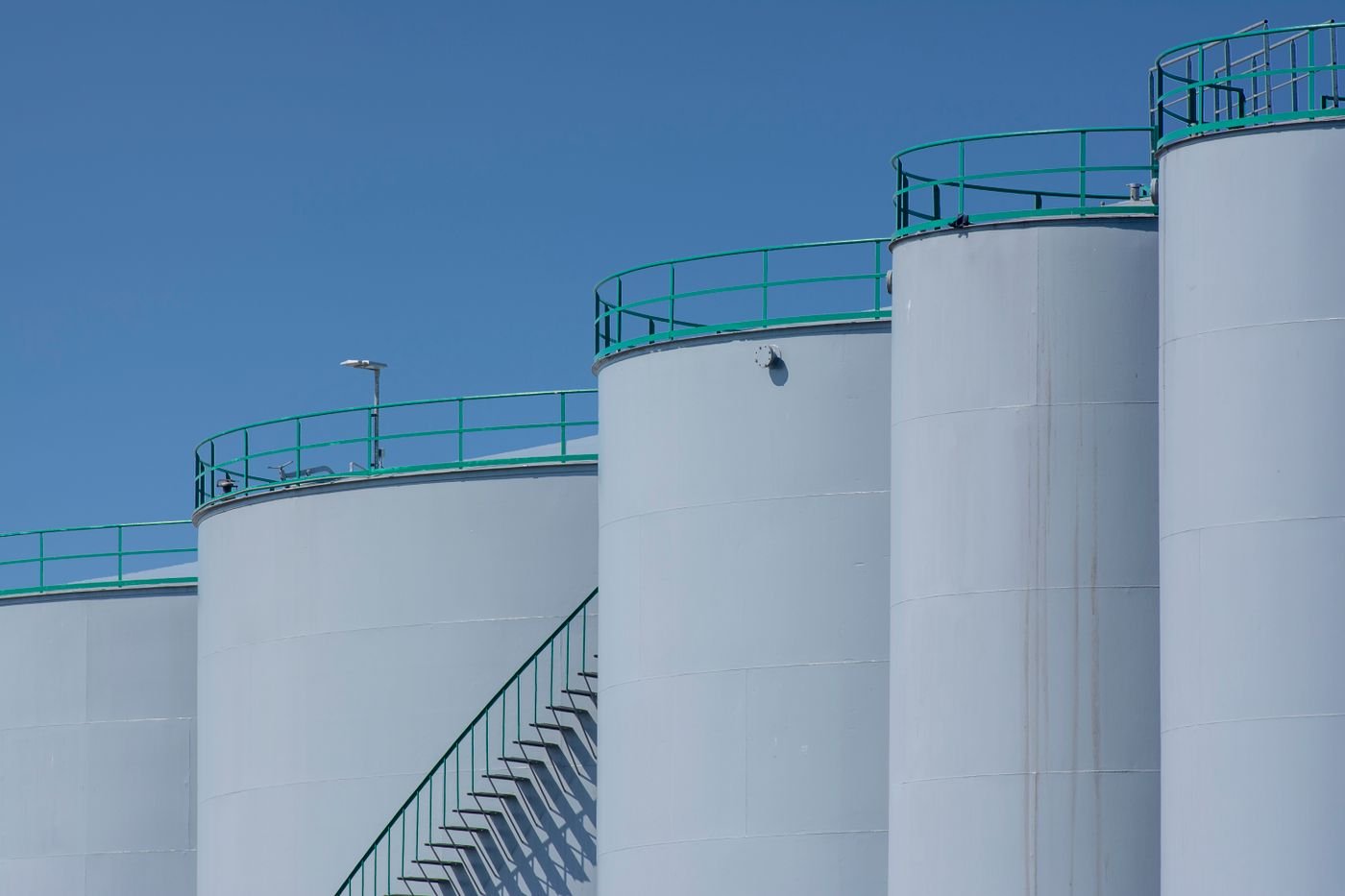
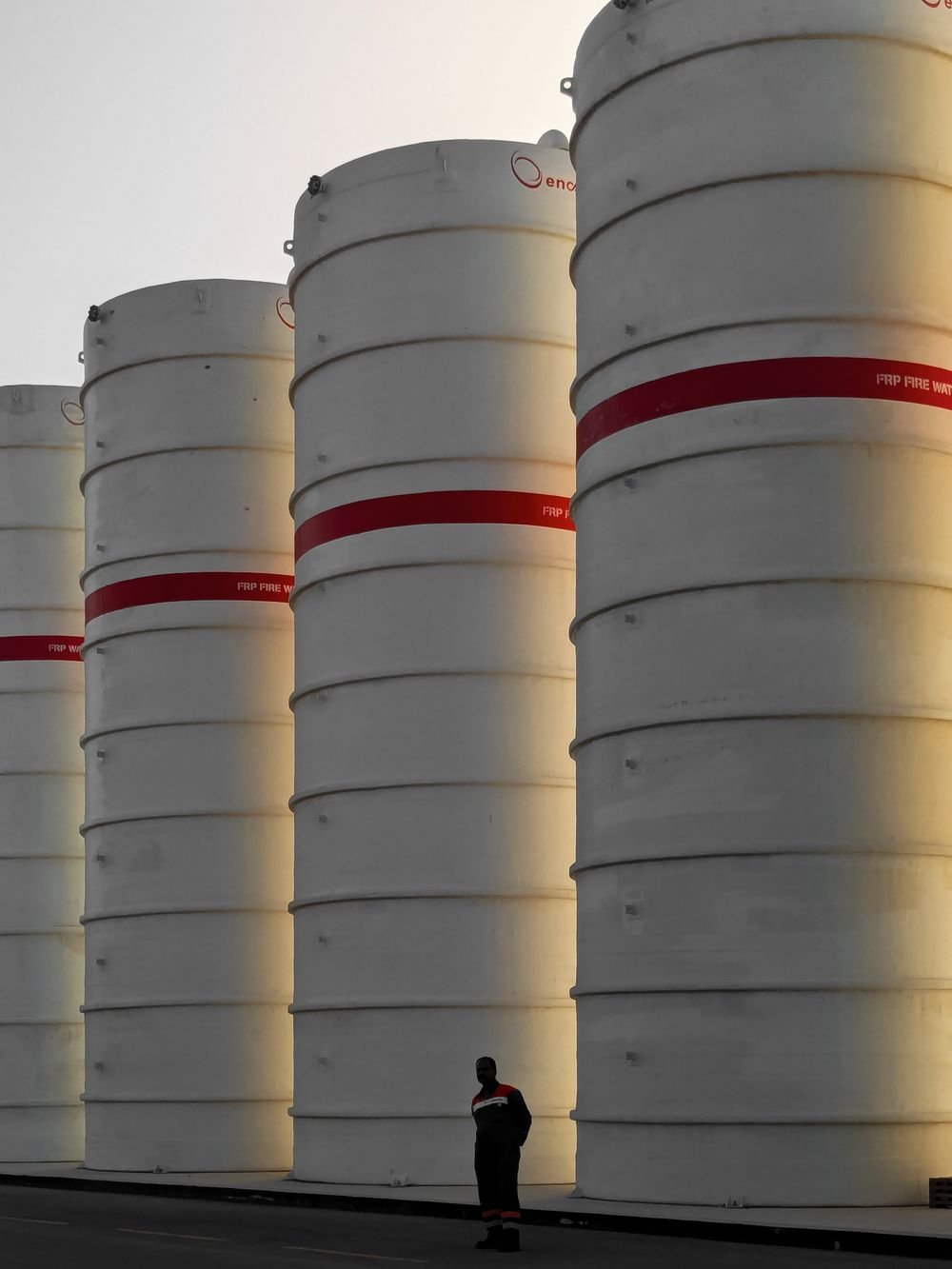
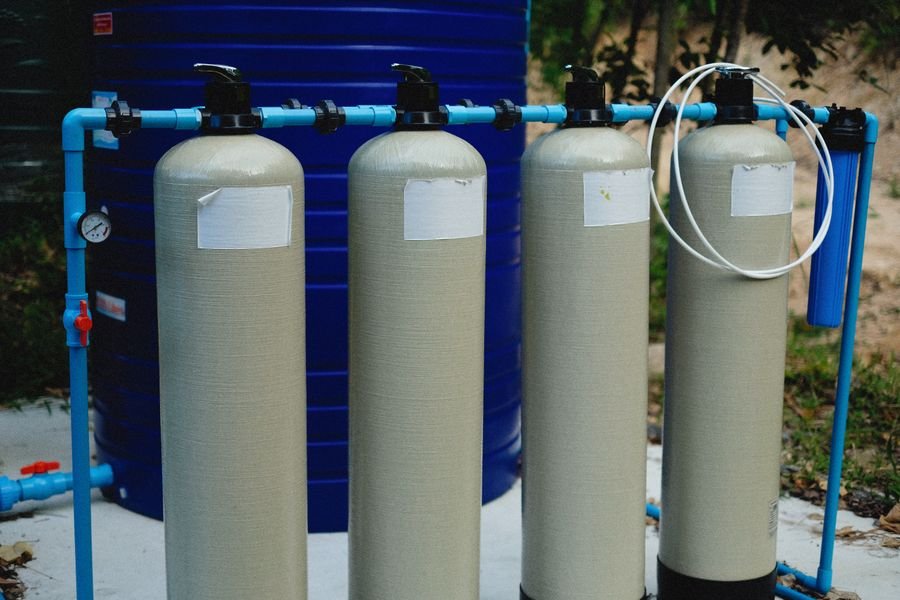
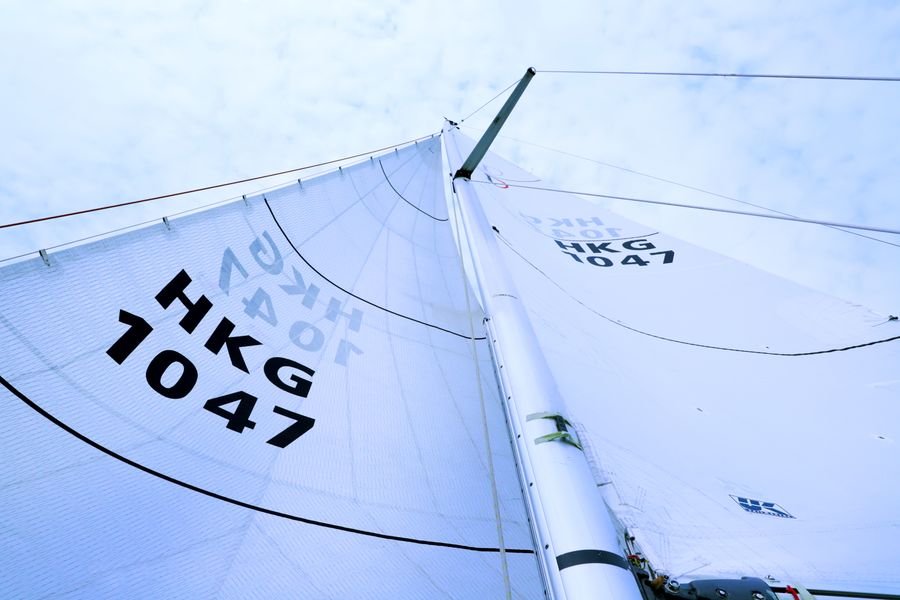
Industrial storage tanks in black and white

Every ply on the load path.

Engineering for FRP tanks, pressure vessels, composite wings, boat parts and vehicle chassis. Calculated to code, built to schedule, certified for inspection.

EN 13121 GRP tanks & vesselsASME RTP-1 reinforced thermoset equipmentBS 4994 vessels & tanksAPI 650 welded storage tanksEN 14015 site-built steel tanksEN 13445 unfired pressure vesselsDVS 2205 thermoplastic tanksEN 1998-4 seismic design of tanksISO 12215 small craft structuresEN 10204 3.1 inspection certificatesISO 12215-8 ruddersISO 12215-9 keels & appendagesISO 12215-10 rig loads
The GUREN approach

For decades, tanks and composite parts were built from laminates copied from the last job. We start from the loads instead and place every ply where it carries them.

See how it works →
Rule-of-thumb laminate
How it works

Composites are only strong where you point them.

Carbon fibre weave close-up
Steered reinforcement around a nozzle openingFIG. 02

Before engineering

A laminate copied from the last job.

Fibres carry load along their length and almost nothing across it. A generic lay-up wastes material in one place and leaves another short, usually right at the openings.

Load-path design

Each ply where it carries load.

We map the stresses first: hydrostatic head, wind, seismic and nozzle loads. Reinforcement builds up at openings and supports, and the shell gets lighter everywhere else.

Checked to code

Every component, every load case.

Strength, stiffness and buckling verified to EN 13121, ASME RTP-1 or API 650, by hand calculation and finite element analysis. The report names the governing case for each part.

Built right

A schedule the shop can follow ply by ply.

Drawings and a laminate schedule written for the shop floor, laminators trained to the same standard, and supervision during lay-up and cure.

PlyReinforcementOrientationt (mm)
1C-glass veil—0.3
2–3CSM 450 g/m²random2.0
4WR 800 g/m²0° / 90°0.8
5CSM 450 g/m²random1.0
6Hoop winding88°4.6
7Topcoat—0.3
Total9.0

Certified

The evidence before the inspector asks.

Test panels, hydrotest witness and an EN 10204 3.1 dossier, assembled as the job progresses rather than after it.

  • ✓Design calculation report
  • ✓Laminate schedule & drawings
  • ✓Laminator qualification records
  • ✓Test panel results (ISO 1172, EN 59)
  • ✓Hydrostatic test witness report
  • ✓EN 10204 3.1 certificate

How we operate. We take a tank or composite structure from the first load case to a certified, installed part: calculation, laminate design, drawings, training the people who build it, and the inspection dossier.

Vertical storage tanks against a blue sky
Vertical FRP storage tank · EN 13121
Sailing yacht mast and rigging from below
Composite mast & rig · ISO 12215-10
Our advantage

Engineering you can build from.

01

Lighter structures

Material goes where the load is. Shells get thinner and openings get stronger.

02

Fewer surprises at inspection

Reports written for the inspector, with the governing case for every component.

03

One partner

Calculation, drawings, training and certification from the same engineers.

End-to-end engineering

From brief to certificate in six steps.

Engage us for a single step, such as a calculation check, or for the full sequence through to acceptance.

  1. 01
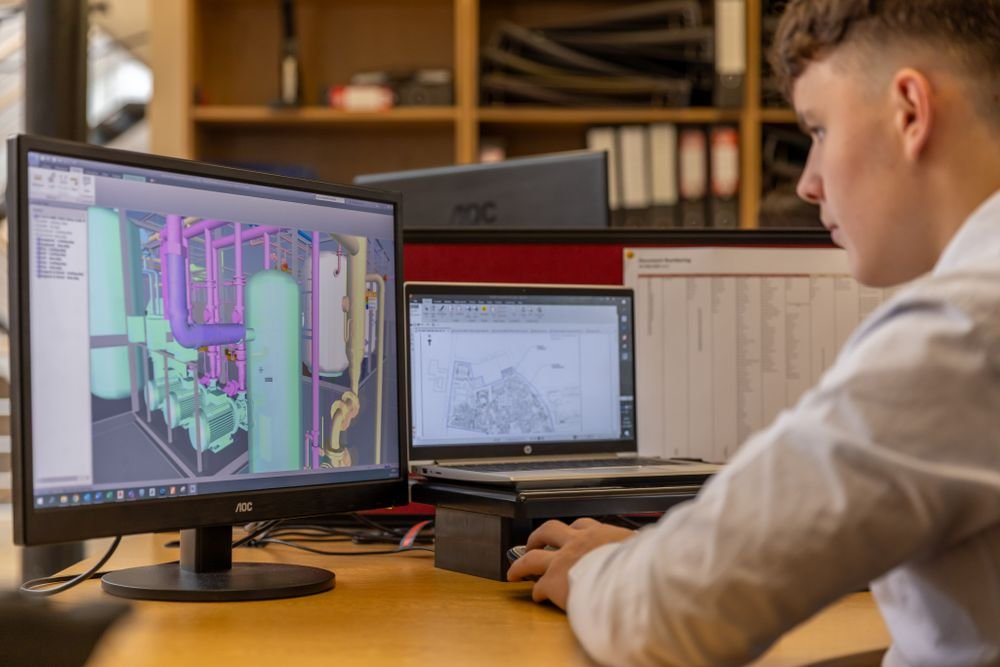
    Engineer working on CAD drawings

    Brief & loads

    Operating conditions, stored medium, design life and the governing standard.

  2. 02
    Carbon fibre reinforcement

    Laminate design

    Resin system, reinforcement, ply schedule and liner selection.

  3. 03
    Simulation results on a workstation screen

    Calculation & FEA

    Strength, stiffness and buckling checks to standard, in a written report.

  4. 04
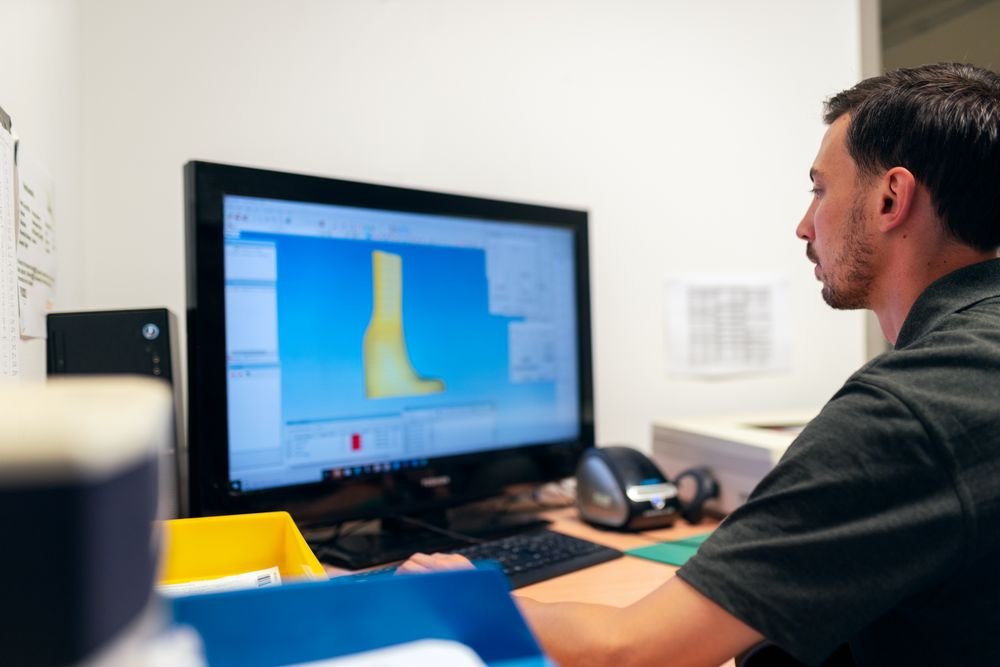
    3D design on a laptop

    Drawings

    General arrangement, details and the laminate schedule for the shop.

  5. 05
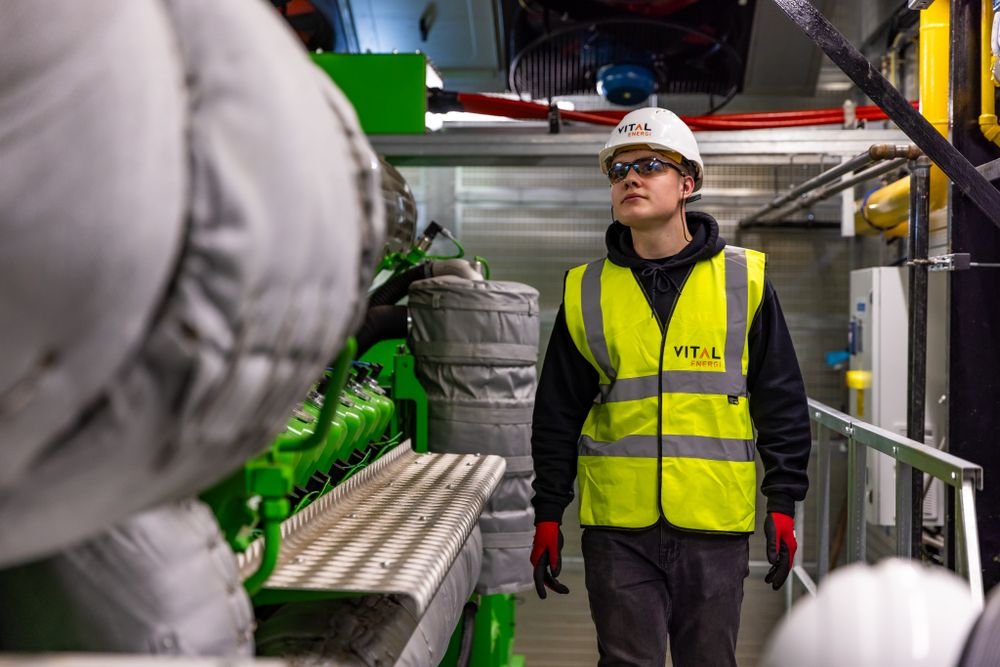
    Site engineer in a factory

    Supervision

    On-site checks during lay-up, cure and assembly.

  6. 06
    Row of finished storage tanks

    Test & certify

    Test panels, hydrotest witness and the final dossier.

Our clients have no margin for error.

Trusted by industry ↓

  • TeknoplasClient
  • Cenk EndüstriClient
  • OtostechClient
  • DearsanClient
  • MKEClient

Composite manufacturers, defence and naval industry and industrial fabricators across Türkiye.

Business model

We don't sell hours. We deliver a signed result.

Fixed-price packages

Standard tank calculations and design checks at a fixed price, with the deliverables agreed up front.

Engineering retainer

A composite engineer on call for fabricators and shipyards, on a monthly agreement.

Türkiye & United Kingdom

Domestic projects run from Türkiye. International projects and training contracts run through our UK company.

  • Laminate designed for this load case
  • Calculation, drawings and supervision in one place
  • Qualified laminators working to a written schedule
  • Inspection dossier built as the job progresses

The GUREN solution

Services

From first load case to signed-off drawing.

Calculation, laminate, documentation and the training of the people who build it.

Tanks & vesselsFRP · GRP · Steel

Industrial tank design & calculation

  • Shell, roof and bottom design to EN 13121 and ASME RTP-1
  • Steel storage tanks to API 650 and EN 14015
  • Nozzles, manways, lifting lugs and anchorage; wind and seismic checks
  • Chemical resistance assessment and liner selection
StructuresCarbon · Glass · Core

Composite wing & structural engineering

  • Ply-by-ply laminate design for wing skins, spars and ribs
  • Classical laminate theory, failure criteria and finite element analysis
  • Sandwich panels, inserts and bonded joints
  • Marine structures to ISO 12215 and class rules
SimulationFEA · CAE

Advanced structural simulation

  • Static, modal and linear dynamic analysis
  • Vibration, shock and fatigue life prediction
  • Buckling and post-buckling of shells and panels
  • Coupled thermal-structural analysis
  • Drop, impact and collision analysis
  • Composite damage analysis and laminate optimisation
PrototypingPlug · Mould · Part

Prototyping & tooling

  • CNC-machined master plugs and composite moulds
  • Prototype laminates and pre-series parts
  • Metal-to-composite conversion of existing parts
  • Prototype testing in the customer's own system
QualityTraceability

Material & quality documentation

  • EN 10204 3.1 inspection certificates and traceability files
  • Test panel programmes: glass content, Barcol hardness, tensile and flexural tests
  • Inspection and test plans (ITP) for fabricators
ProcurementPublic & private

Technical specifications & tenders

  • Technical specifications buyers can enforce
  • Tender documents and bid evaluation for municipal projects
  • Site supervision and factory acceptance tests (FAT)
MaterialTypical equipmentDesign codes
Composite (GRP / FRP)Storage tanks, process vessels, scrubbers, ductsEN 13121-3 · ASME RTP-1 · BS 4994
SteelAtmospheric storage tanks, pressure vesselsAPI 650 · EN 14015 · EN 13445-3
Thermoplastic (PP, PE, PVDF)Chemical tanks, basins and pitsDVS 2205 · EN 12573
Structural compositesWings, panels, marine structuresISO 12215 · class rules · laminate theory + FEA
Marine composites

Engineered parts for boats and yachts.

Rudders, rigs and appendages carry the highest loads on a boat and fail with the least warning. We size them by calculation to ISO 12215 and class rules, and design laminates the yard can build.

Rudder stock bending moment · ISO 12215-8
  • ISO 12215-8

    Rudder stocks & blades

    Carbon and glass rudder stocks, blades and bearings sized for bending, torsion and grounding loads.

  • ISO 12215-8

    Tillers & steering

    Composite tillers, quadrants and steering arms checked for helm forces and fatigue.

  • ISO 12215-10

    Masts & booms

    Mast tube, boom and spreader laminates from rig load analysis, with buckling and local checks at fittings.

  • ISO 12215-9

    Keels & daggerboards

    Keel fins, daggerboards and centreboards for grounding, knockdown and fatigue loads.

  • FEA

    Foils & appendages

    Hydrofoils, skegs and trim tabs designed for lift and impact loads.

  • ISO 12215-10

    Chainplates & rig attachments

    Composite chainplates and bulkhead tie-ins that carry rig loads into the hull.

  • ISO 12215-5

    Hull & deck panels

    Bottom, side and deck panel scantlings, stiffeners and sandwich cores.

  • Torsion · whirl

    Shafts & tubes

    Composite propeller and drive shafts, tubes and struts sized for torsion and critical speed.

Automotive & motorsport

Monocoques and crash structures, simulated before the first test.

Composite chassis and energy absorbers have to pass destructive tests the first time. We model stiffness, strength and crash behaviour with implicit and explicit FEA, then design the laminate and the test plan.

Carbon fibre bodywork on a sports car
Monocoque & crash structures
  • Torsional stiffness · FEA

    Monocoque chassis

    Torsional and bending stiffness, load paths into suspension and roll-structure hard points, and ply-by-ply laminate optimisation.

  • Explicit crash · SEA

    Impact attenuators

    Crushable composite nose cones and energy absorbers sized for mean deceleration, peak load and specific energy absorption.

  • Explicit FEA

    Side impact & anti-intrusion

    Side impact panels and anti-intrusion laminates checked against penetration and energy targets.

  • Fatigue · buckling

    Suspension & wishbones

    Composite wishbones, push rods and uprights with bonded metal inserts.

  • CFD loads → FEA

    Aero parts

    Rear wings, diffusers and floors sized from aerodynamic loads for strength and deflection limits.

  • Crush · thermal

    Battery enclosures

    Composite EV battery boxes for crush loads, intrusion and fire-resistant laminates.

Load cases

Every load your tank will see, checked on paper first.

Each report lists the governing load combination for every component, so the inspector can follow the numbers without calling us.

  • Liquid height × density

    Hydrostatic head

    Hoop and axial stresses through the full fill height.

  • Design ± mbar

    Pressure & vacuum

    Shell and roof buckling under internal vacuum and overpressure.

  • EN 1991-1-4

    Wind

    Shell buckling when empty, overturning and anchor loads.

  • EN 1998-4 · TBDY 2018

    Seismic

    Impulsive and convective liquid mass, base shear and sloshing height.

  • EN 1991-1-3

    Snow & roof loads

    Roof laminate, walkways and platforms.

  • Local loads

    Nozzle & piping

    Reinforcement pads and local stresses at every opening.

  • Lug positions

    Lifting & transport

    Lifting lugs and shell stresses during handling and erection.

  • Hold-down

    Anchorage

    Anchor bolt loads and foundation reactions.

  • Design factor

    Temperature

    Resin heat-deflection limits and long-term strength reduction.

  • Fatigue

    Fill cycles

    Strain limits for tanks that fill and drain every day.

Prototyping & tooling

From a drawing to the first part you can test.

We design the part, machine the plug, build the mould and laminate the first articles. You test a real part in your own system before committing to series tooling.

  1. Design

    Laminate and geometry sized by calculation.

  2. Plug

    CNC-machined master model from your CAD data.

  3. Mould

    Composite mould built off the plug, ready for lay-up.

  4. Prototype

    First articles laminated to the written schedule.

  5. Test

    Fit, function and load tests in your system.

  6. Pre-series

    Small batch with a techno-economic case for series production.

Metal to composite

Replace a steel or aluminium part with a lighter composite one: same loads, same interfaces, checked by calculation and confirmed by test.

Who we work for

Four kinds of client. One engineering standard.

Tank and composite fabricators

Send the drawings and the duty. You receive a calculation report the inspector accepts, a laminate schedule your shop can build from, and answers when your client asks questions.

  • Design-by-calculation for each order, or a standard tank range calculated once
  • Independent check of designs prepared in-house or by others
  • Reports in English or Turkish, under your brand on request
  • Fabrication-ready drawings in DWG and STEP

Plant owners and operators

Tanks outlive their original paperwork. We assess what is standing in your plant and tell you what it can still safely do.

  • Re-rating for a new medium, density or temperature
  • On-site condition surveys: visual, Barcol and ultrasonic thickness
  • Repair laminate design and supervision of repairs
  • Added nozzles, platforms and reinforcement on existing shells

Public authorities and municipalities

Specifications and tender files that hold suppliers to a measurable standard, followed by technical review of what they deliver.

  • Technical specifications for tank and treatment-plant tenders
  • Technical evaluation of bids and supplier calculations
  • Factory and site acceptance witnessing
  • Technical advice on verification procedures

Insurers, lawyers and other experts

When a composite structure fails, we establish why and put it in a written report others can rely on.

  • Failure and root-cause analysis of FRP and plastic structures
  • Laminate sampling and testing through accredited laboratories
  • Technical reports for insurance claims and disputes
  • Composite expertise for engineers outside their own field
Training & certification

A laminate is only as good as the laminator.

Standards-based FRP laminator training for shipyards and fabricators, delivered at your facility. Every trainee sits a written exam, builds a test panel and receives a verifiable certificate.

Plan a training programme →
L1

Laminator

Safety, materials, hand lay-up and spray-up, wet-out and consolidation.

Practical-heavy · 60% workshop
L2

Senior laminator

Infusion, core materials, reading ply schedules from drawings, defect recognition and repair.

Test panel: thickness ±10 %, Barcol hardness, glass content
L3

Lamination team lead

Process control, quality records, supervision of crews and handover to inspection.

Certificate valid 2 years · QR verification
Questions

Frequently asked questions

Which standard applies to a GRP tank?

In Europe and Türkiye, EN 13121 is the main standard for GRP tanks and vessels. Projects specified to US practice use ASME RTP-1, and some older UK specifications still call for BS 4994. We design to whichever standard your contract names.

What do you need for a tank calculation?

Diameter and height, roof and bottom type, the stored medium and its density, design temperature, design pressure and vacuum, the site location for wind and seismic loads, the nozzle list and the required standard. A general arrangement drawing helps if you have one.

Can you check a design someone else made?

Yes. We run an independent check against the governing standard and return a report listing every non-conformity with a proposed fix.

Do you work with clients outside Türkiye?

Yes. International projects and training contracts run through our UK company, and all reports are available in English.

What does the laminator certificate cover?

GUREN Engineering issues it against a written, standards-based training and assessment scheme. It serves as competence evidence under ISO 9001 clause 7.2 and supports shipyard and workshop approvals. It is not a national vocational qualification such as MYK.
Contact

Build with GUREN.

Volume, stored medium, temperature and the standard you need to meet are enough for a first reply. We answer within two working days.

info@gurengineering.com
Engineering office, TürkiyeRegistered company, United Kingdom