Rudders, rigs and fans for boats and air-cushion craft.
Composite rudder stocks, masts, keels and hull panels to ISO 12215, and radial composite fans for engine rooms, hovercraft and SES.

Engineered parts for boats and yachts.
Rudders, rigs and appendages carry the highest loads on a boat and fail with the least warning. We size them by calculation to ISO 12215 and class rules, and design laminates the yard can build.

ISO 12215-8Rudder stocks & blades
Carbon and glass rudder stocks, blades and bearings sized for bending, torsion and grounding loads.
ISO 12215-8Tillers & steering
Composite tillers, quadrants and steering arms checked for helm forces and fatigue.
ISO 12215-10Masts & booms
Mast tube, boom and spreader laminates from rig load analysis, with buckling and local checks at fittings.
ISO 12215-9Keels & daggerboards
Keel fins, daggerboards and centreboards for grounding, knockdown and fatigue loads.
FEAFoils & appendages
Hydrofoils, skegs and trim tabs designed for lift and impact loads.
ISO 12215-10Chainplates & rig attachments
Composite chainplates and bulkhead tie-ins that carry rig loads into the hull.
ISO 12215-5Hull & deck panels
Bottom, side and deck panel scantlings, stiffeners and sandwich cores.
Torsion · whirlShafts & tubes
Composite propeller and drive shafts, tubes and struts sized for torsion and critical speed.
Lighter fan impellers that resist corrosion.
We design centrifugal (radial) fan impellers in carbon and glass composites, from the aerodynamic duty point to the laminate, balancing and test. A composite impeller is lighter than steel, reaches speed faster and does not corrode in salt air or chemical fumes.
Duty point · CFDAerodynamic design
Blade angles, specific speed and housing matched to the required flow and pressure, checked with CFD fan curves.
FEA · overspeedCentrifugal stress & burst
Blade, hub and shroud stresses at maximum speed, with burst speed and overspeed margin.
Campbell diagramVibration & rotordynamics
Natural frequencies kept clear of running speed and blade-pass frequency.
ISO 21940-11 · ISO 14694Balancing
Balance grade specified and verified, with vibration limits for the installed fan.
Start–stop cyclesFatigue & joints
Blade root, hub bonding and metal inserts sized for start–stop and gust fatigue.
ISO 5801Performance test
Flow, pressure and efficiency measured on a standard airway test before delivery.
Where radial composite fans work
ISO 8861Ships & yachts
Engine room supply and exhaust fans that do not corrode in salt air and weigh less high up in the hull.
Lift & thrustHovercraft & ACV
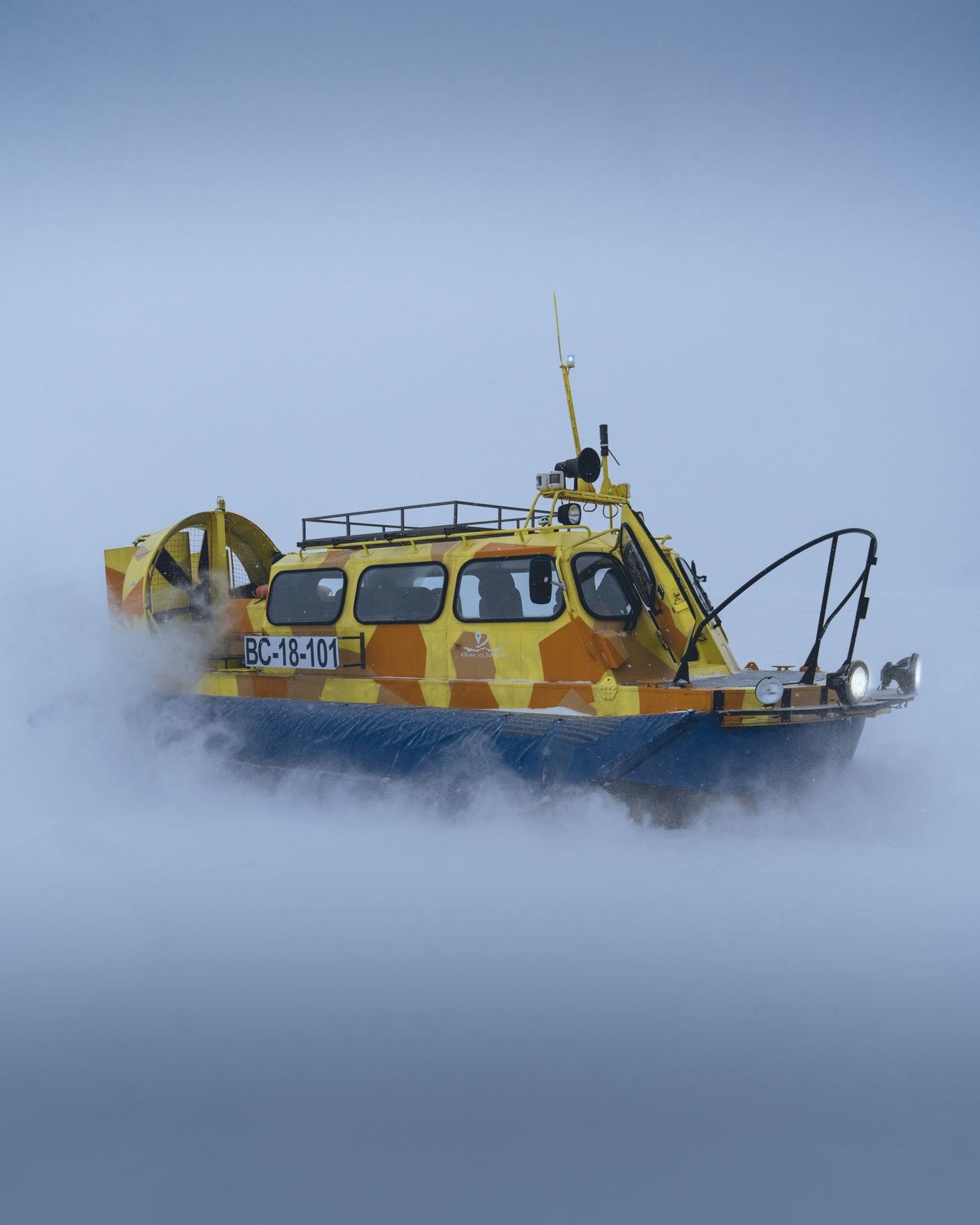
Lift fans that keep the cushion and skirt inflated, where every kilogram of rotating mass costs payload.
Lift fansSurface effect ships
Cushion fans for SES and air-assisted hulls, sized for wave pumping and fast pressure changes.
FRP · vinyl esterChemical & scrubbers
Fume extraction and scrubber fans in corrosion-resistant laminates, matched to our FRP ducts and tanks.
H₂S serviceBiogas & wastewater
Odour control and biogas blowers where steel impellers corrode within months.
Frequently asked questions
Can a composite impeller replace a steel fan impeller?
Often, yes. A carbon or glass composite impeller is typically much lighter than a steel one, which lowers start-up torque and bearing loads, and it does not corrode in salt air, H₂S or acid fumes. We check centrifugal stress, burst speed, natural frequencies and balancing before the swap, and keep the existing housing and motor where we can.
Other areas
Tanks & vessels
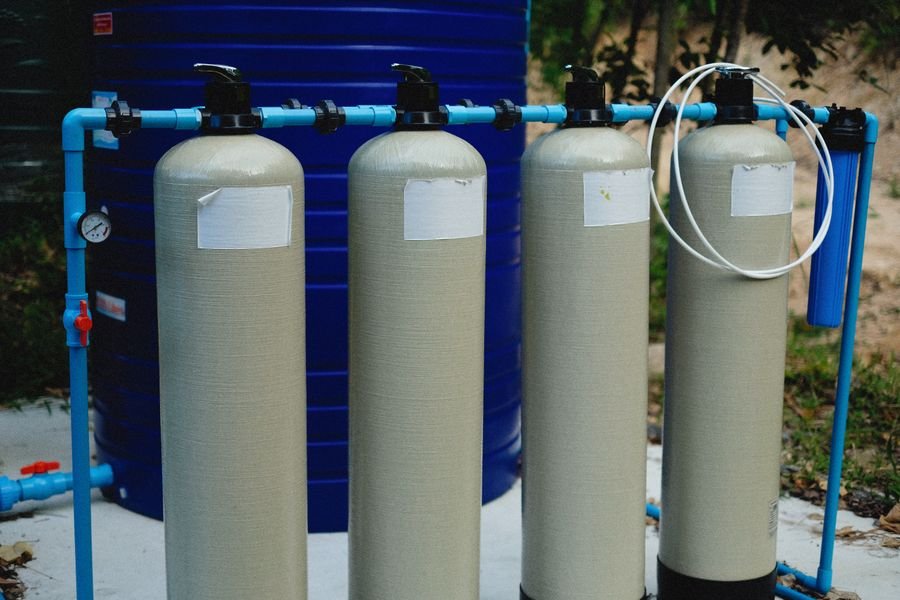
FRP, steel and thermoplastic tanks to EN 13121, ASME RTP-1 and API 650, with load cases and tender documents.
Explore →
Composite structures
Wings, chassis and crash structures designed ply by ply, checked with FEA and built as prototypes.
Explore →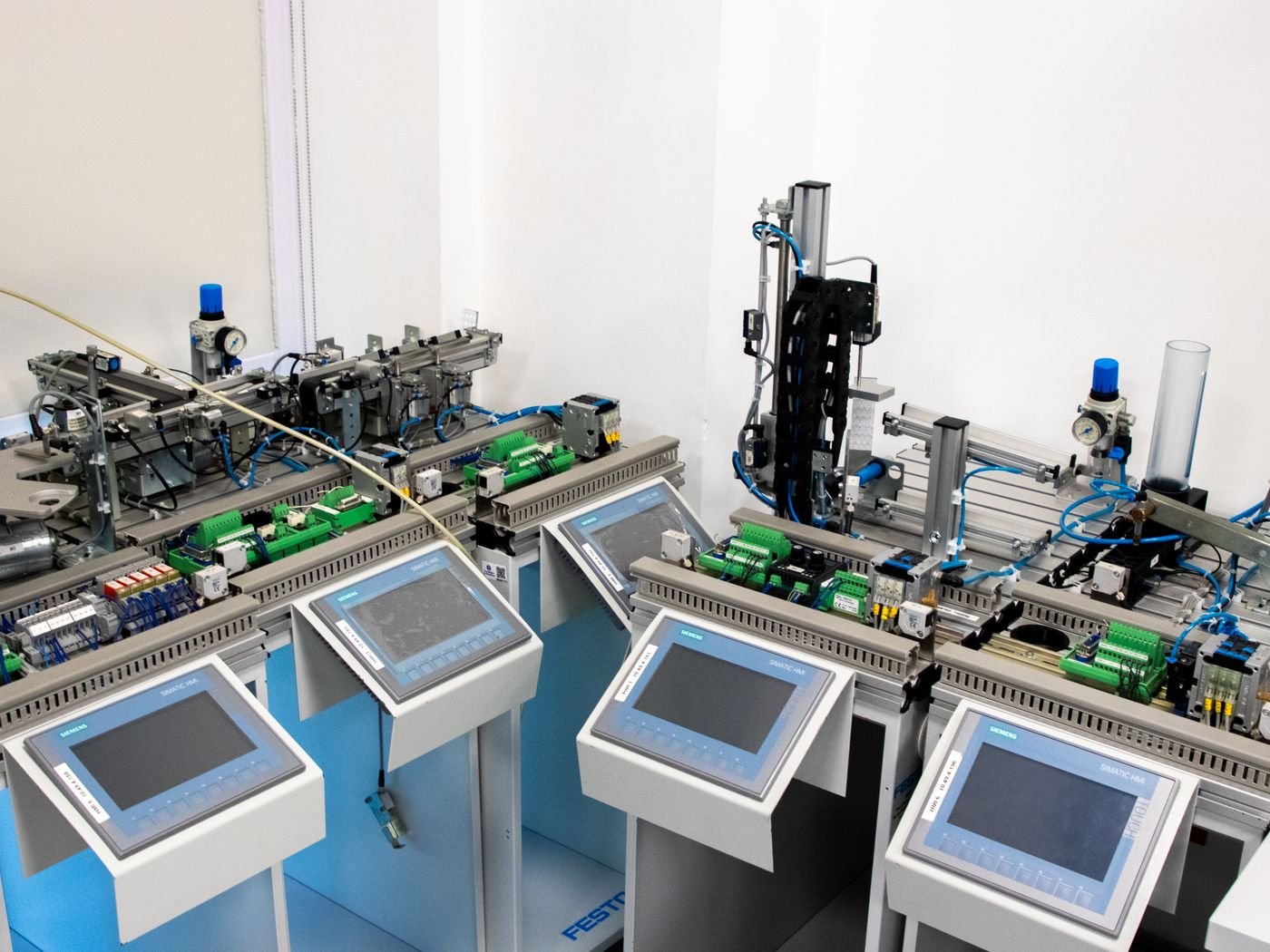
Machines & automation
Filament winding machines with our own software, waterjet cutters and EtherCAT automation.
Explore →
Training & quality
Laminator training and certification, test panels and EN 10204 3.1 documentation.
Explore →Build with GUREN.
Volume, stored medium, temperature and the standard you need to meet are enough for a first reply. We answer within two working days.